
Stories
-
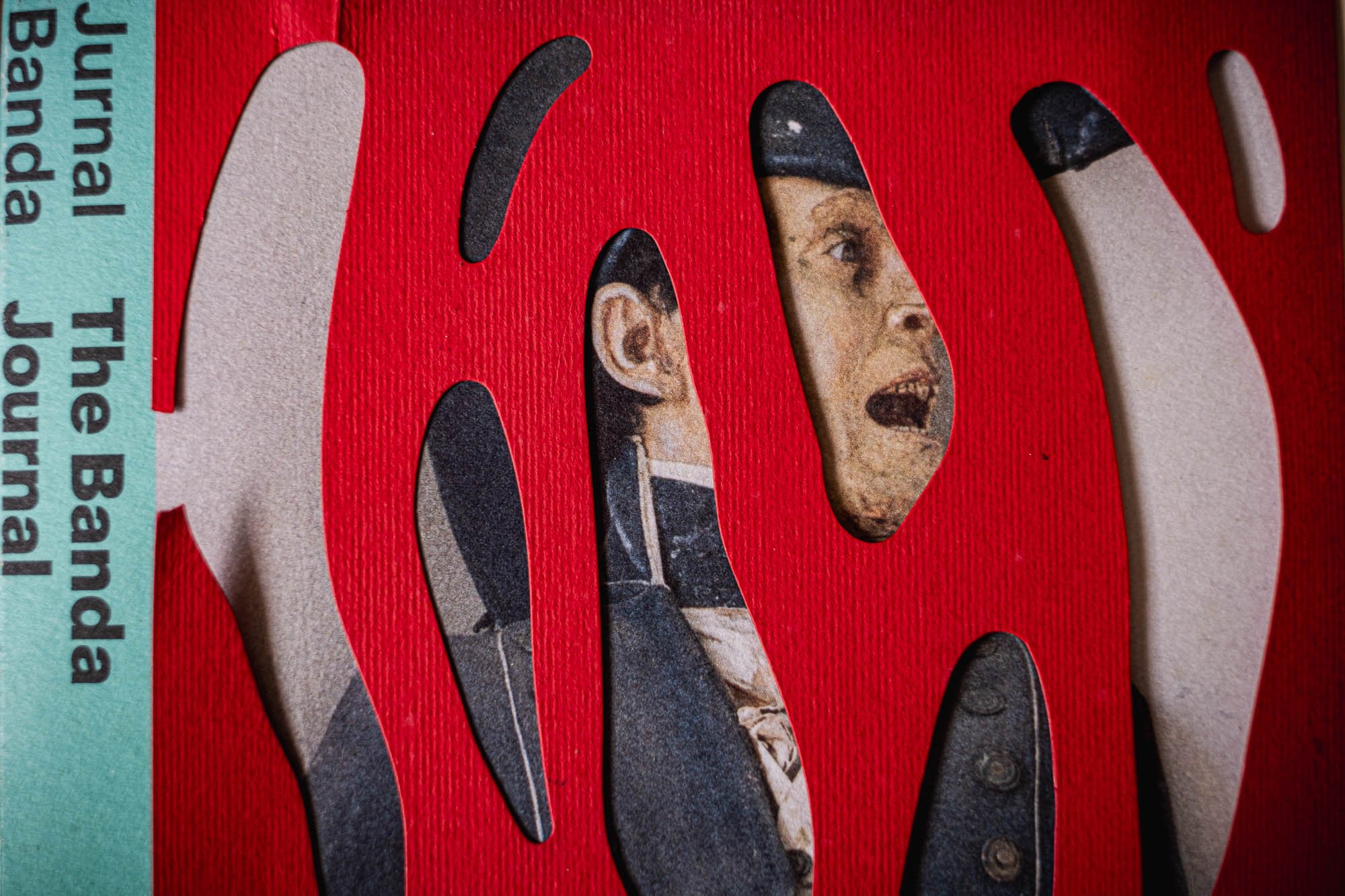
The Banda Journal, and the curse of nutmeg | Tom White
The Banda Journal was the 2021 Paris Photo-Aperture Foundation PhotoBook Awards winner. Our editor-in-chief Tom White takes a deep dive into Muhammad Fadli and Fatris MF’s dark, compelling history of the nutmeg, and how it changed the world.
-
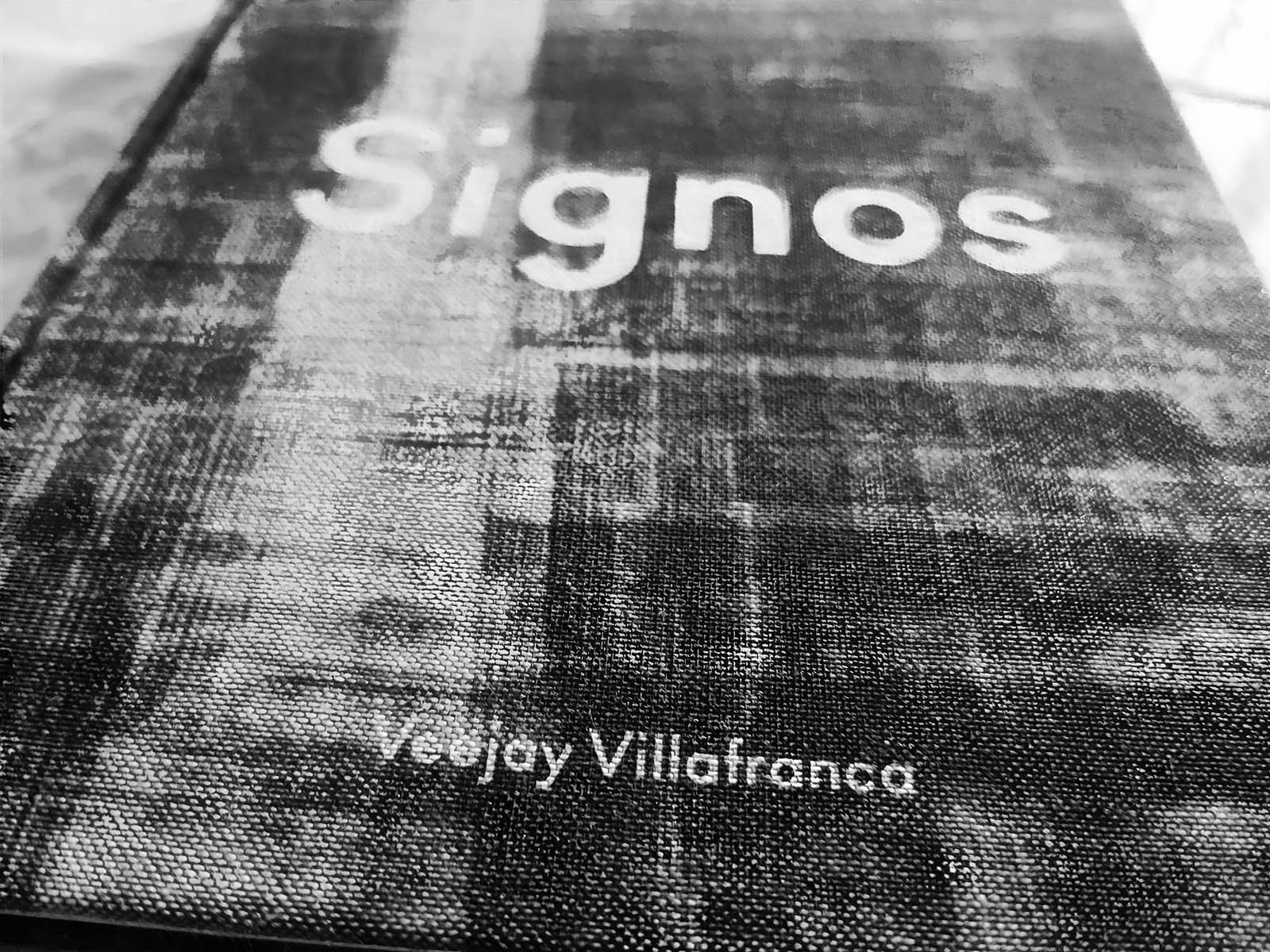
Veejay Villafranca’s Signos | Tom White
Signos is a visceral testimony to the victims of devastating storms in the Philippines. It’s also a reminder that the climate emergency looms over us all and the only real solutions to this catastrophe involve every single one of us.
-

The Most Secret Place on Earth | Matthew Aslett
Follow Parallax Photo’s editor and resident logistics expert Matt Aslett across Laos, as he documents hidden sites of ‘the most bombed nation of earth’ for his forthcoming book project to preserve a visual history of ‘The Secret War’.
-

Black Cardamom | Ian Teh
In Black Cardamom, Ian Teh follows the story of the spice and its harvest in the Hoang Lien Mountains of Vietnam, raising the question; how could a forest be a haven for conservation and cash-crop agriculture at the same time?
-

“Daisy, Daisy, give me your answer do….” An introduction to Southeast Asian photography with ChatGPT and Generative AI.
Will a spectrum exist where AI image generation will, on one hand, be employed short-sightedly to reinforce narrow world views, and on the other, catalyse unexpected creativity, broadening the scope of what is imaginable?
-
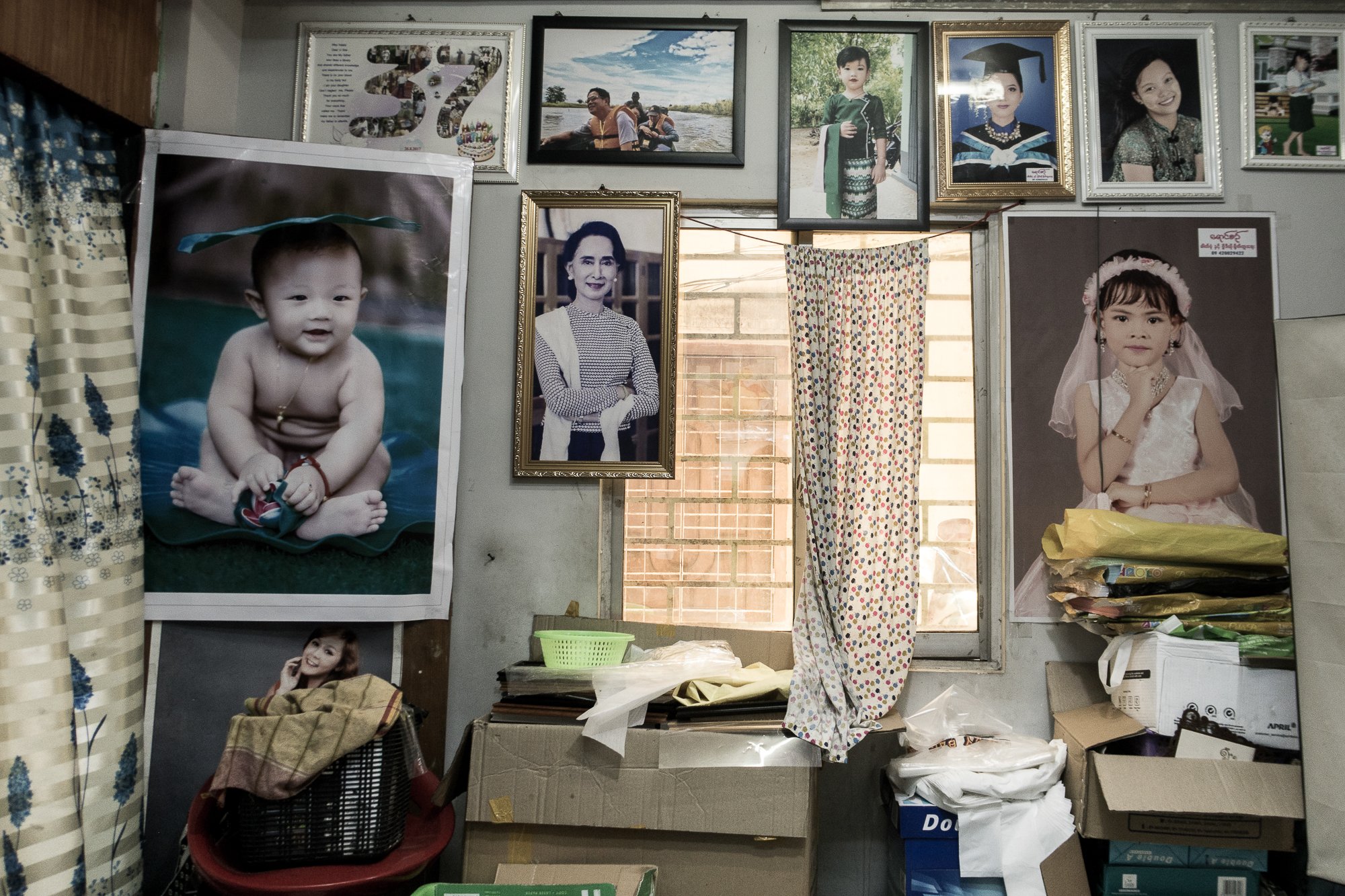
When The Curtain Falls | Shwe Wutt Hmon
In the age of mass cultural and technological commodification of memories, we are capable of developing an intimate relationship with events we did not experience. In a constant process of internalizing overly exposed mediated representations, we bear memories on our body.
-

Signos | Veejay Villafranca
“’Fate introduced herself to us in the form of a hurricane,”’ to quote an environmentalist’s daughter on her thoughts on Typhoon Haiyan, its aftermath, and the future.
-
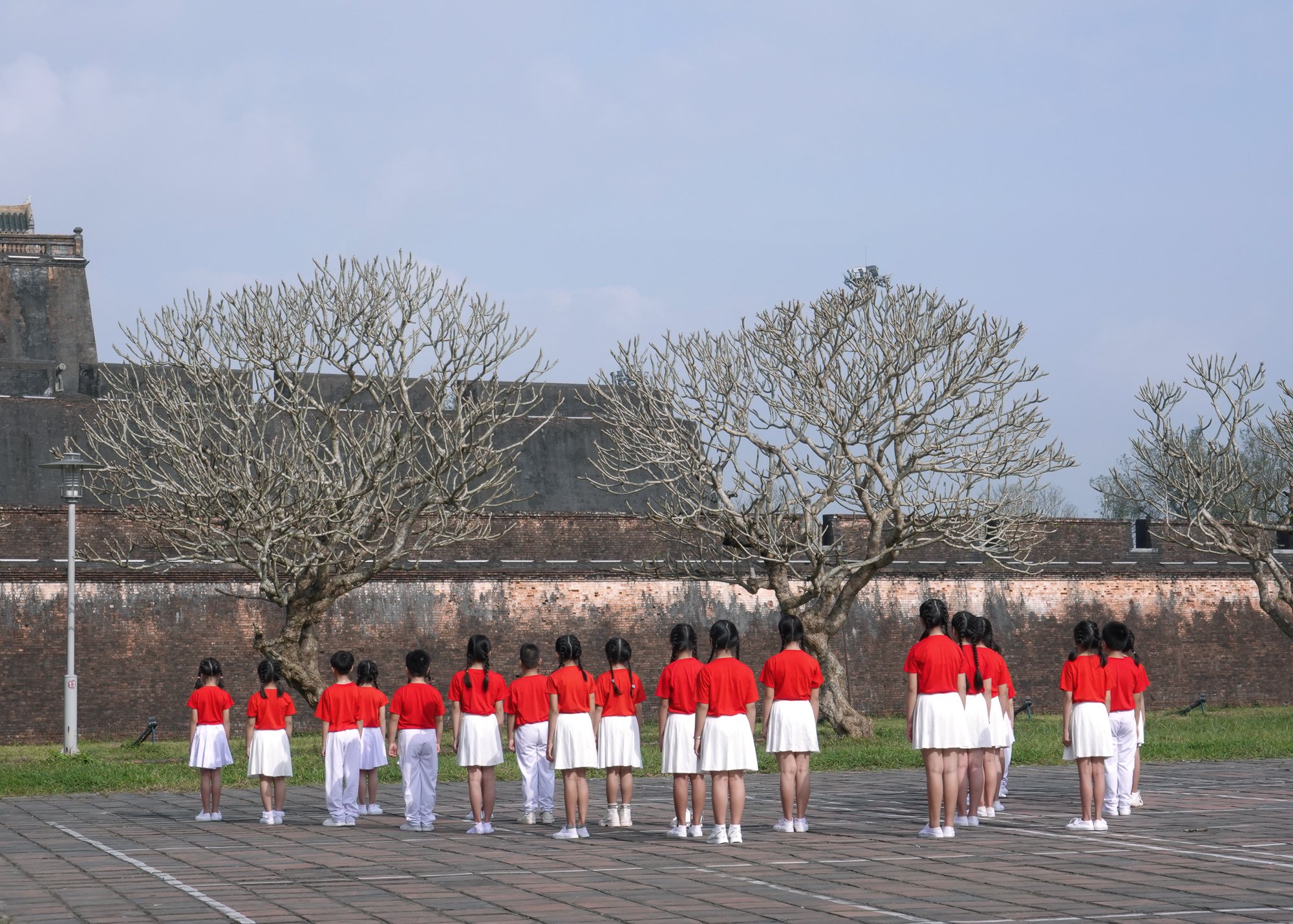
Alternative Imaginaries | Yen Duong
In the age of mass cultural and technological commodification of memories, we are capable of developing an intimate relationship with events we did not experience. In a constant process of internalizing overly exposed mediated representations, we bear memories on our body.
-

Built On Their Backs | Andre Malerba
The home and workplace of Naing Lin, his wife Than Nwe, and the birthplace of their four children, is a brick factory on the outskirts of Yangon, Myanmar. The bricks, which serve as their means of survival – and entrapment through debt – contribute to the foundation of an economic revival that excludes them.